

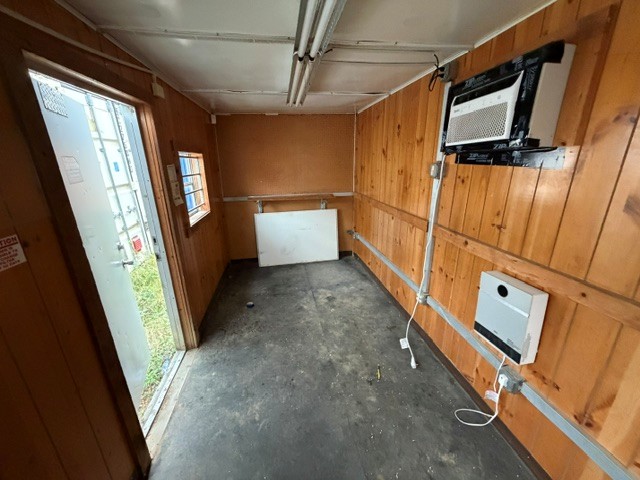
Shipping container condensation occurs when water vapor becomes liquid on a surface under suitable temperature and moisture conditions. In a steel storage container, that can appear as dampness or droplets even when the visible moisture is not entering through a rain leak.
A wet interior still needs investigation. A damaged seal, roof opening, wet stored material, and condensation can produce different patterns, and more than one source may be present.
For Kentucky property owners using containers for storage, begin with an inspection and a record of when the moisture appears. Do not assume that a watertight container guarantees dry storage conditions or that one vent, coating, or desiccant will solve every moisture concern.
Identify What Is Wet and Where
Start by describing the observation. Is moisture present on the roof, walls, floor, door area, packaging, or the contents themselves?
Record whether the pattern is localized or widespread. Note whether it appears after rain, during temperature changes, or after particular materials are placed inside.
Take photographs before moving everything or applying a product. Include enough context to locate the area within the container.
Avoid diagnosing a leak from a wet box alone. Water may have reached the box through several routes. The purpose of the first inspection is to preserve useful evidence and identify what needs closer assessment, not to name a cause from one damp object.
Understand Container Sweat in Plain Language
Air and stored materials can contain moisture. When a surface becomes cool enough relative to the moisture conditions around it, condensation can form.
Shipping guidance describes this phenomenon as container sweat in some circumstances. The Hapag-Lloyd container packing guidance explains moisture mechanisms in freight containers.
That technical context is useful, but a stationary storage container on a Kentucky property is not identical to cargo moving through several climates at sea. The actual contents, site, exposure, and use must be assessed.
The practical lesson is that keeping rain out and managing internal moisture are related but different tasks. A container can pass one discussion and still need attention to the other.
The IMO’s Code of Practice for Packing of Cargo Transport Units provides technical background on cargo moisture and condensation. Its transport context is useful for understanding the mechanism, while a stationary storage plan still needs to suit the contents and site.
Check for Rain Entry Separately
Inspect accessible roof, wall, door, and seal conditions through the process recommended by the provider. Do not climb onto the container or attempt an improvised water test without appropriate guidance.
Record whether a wet area follows a particular rain event or appears near a visible defect. A recurring localized pattern may help direct the inspection.
Ask the supplier how suspected leaks should be reported and assessed. For rental equipment, obtain guidance before applying sealants, drilling, or altering components.
Do not assume a roof repair resolves all moisture in the container. After a confirmed defect is addressed, continue observing conditions if other dampness remains. The original problem may have included both entry and condensation.
Review What Was Put Into Storage
Contents can introduce moisture. Recently wet equipment, damp packaging, timber, fabrics, and other materials may affect the internal environment.
Describe the actual stored items and their condition when loaded. A container used for dry stock presents different questions from one repeatedly receiving rain-wet tools or equipment.
Do not assume a closed box isolates the contents from every moisture concern. Packaging can hold or absorb moisture and may conceal a developing problem until it is opened.
Create a basic inventory and note material changes. If dampness starts after a new load arrives, that timing is useful information. It does not prove the load is the only cause, but it should be part of the assessment.
Consider the Site and Exposure
A container’s position affects how it experiences sun, shade, rain, airflow, and surrounding ground conditions. Record the site rather than evaluating the steel box in isolation.
Look for standing water near the placement and any conditions the provider needs to review. Do not alter the supports or move the container yourself to test a theory.
The day-to-night exposure can differ between a shaded site and an open area. Those differences may matter to an assessment of temperature changes and moisture patterns.
Ask the supplier which site conditions are relevant to the container and intended storage. A delivery location that is accessible and stable still needs to be considered against the requirements of the goods stored inside.
Use A1 Portables’ container delivery checklist to prepare the access and placement discussion. Its Kentucky shipping container service-area information can help you frame the location inquiry before confirming delivery availability.
Use Temperature and Humidity Records Carefully
A simple observation log can make a moisture discussion more specific. Record the date, time, approximate conditions, door activity, and where the dampness appears.
If suitable monitors are used, record their location and the limits of the measurement. One reading in the middle of the container does not measure every surface or establish the condition of every package.
Compare periods with and without visible moisture. Include relevant weather and changes in contents.
Do not turn a few readings into a certified performance claim. The purpose is to help the supplier or appropriate specialist identify patterns and decide whether further investigation is needed. Clear observations are valuable even when they do not deliver a complete diagnosis.
Do Not Assume Ventilation Is a Universal Fix
Storage container ventilation changes air exchange, but the effect depends on the outside air, inside conditions, container arrangement, and contents.
Adding openings without understanding the system can introduce other problems, including weather entry or an unapproved modification to rented equipment.
Ask the provider what options are available and appropriate. If a particular ventilation approach is proposed, request an explanation of the moisture source it addresses and the conditions under which it is expected to help.
Keep ventilation separate from the question of climate-controlled storage. They are not interchangeable services. Goods with specific storage requirements may need a different arrangement from a standard container with an added airflow feature.
Treat Desiccants as Part of a Defined Plan
Desiccants can be used in some storage and transport applications, but they have product-specific requirements and limits. They should not be treated as proof that the contents will remain dry.
Ask which product, quantity, placement, inspection, and replacement instructions apply to the intended use. Do not select a small retail packet and assume it can manage an unknown moisture load.
If the container has a leak or repeatedly receives wet materials, those conditions still need attention. A moisture-absorbing product does not repair an opening or remove the need to understand the storage process.
Keep records of any products used so the person assessing later conditions knows what has changed. That makes the next discussion more useful than a sequence of unrecorded experiments.
Arrange Contents for Inspection and Appropriate Protection
A storage layout should make it possible to inspect the container and relevant items. Packing every surface tightly can make moisture harder to notice.
Discuss appropriate spacing, supports, and packaging with the people responsible for the stored goods. Requirements vary, particularly for materials sensitive to moisture.
Do not assume that wrapping an item in plastic resolves every concern. An unsuitable covering or a damp item can create a different moisture situation.
Label the locations of important or sensitive stock and plan how it will be checked. The aim is a storage routine that allows early observation and practical handling, rather than discovering a problem only when the entire container is emptied.
Confirm What the Rental or Purchase Includes
Ask the supplier what condition checks are provided, how defects should be reported, and which uses or modifications require approval.
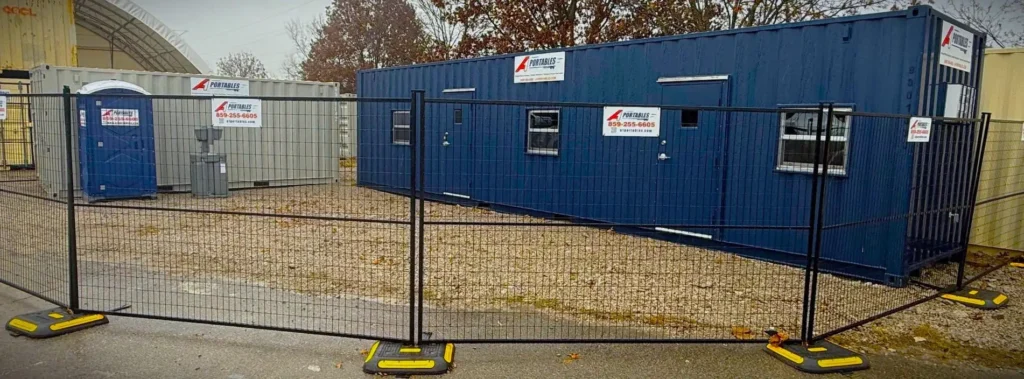
Clarify whether a proposed feature is included in the actual unit offered or is a separate option. Photographs and general product descriptions may not identify the exact container available for your project.
A1 Portables lists storage containers for rental or purchase and describes a range of container options. Discuss the specific availability and suitability for your contents rather than assuming every listed configuration is ready for immediate delivery.
Also ask how the provider distinguishes a suspected equipment issue from a storage-condition question. Clear reporting responsibilities help both parties respond to the right problem.
Know When Standard Container Storage May Not Fit
Some goods have defined storage requirements that a standard unconditioned container may not meet. Identify those requirements before choosing equipment.
Ask the manufacturer or owner of the goods what temperature, moisture, packaging, and inspection conditions are necessary. The storage provider can then discuss available options against that brief.
Do not assume a container becomes suitable because it is secure or because another business stores different materials in one.
If the required environment is uncertain, resolve that question first. Choosing a different storage arrangement may be more appropriate than repeatedly adding products to a container that was never intended to provide the conditions the goods require.
Build the Moisture Plan Around Evidence
A useful response to shipping container condensation begins with the observed pattern, a separate leak check, an inventory of moisture sources, and a review of the site’s conditions.
Then evaluate any ventilation, drying, packaging, or equipment option against a clearly identified need. Keep changes documented so their effects can be assessed.
For an existing rental, involve the provider before modifying the container. For a new storage project, explain the goods and their requirements before selecting the unit.
That sequence helps move the conversation from “the container is wet” to a more specific and actionable account of what is happening.
Frequently Asked Questions
Can a container have condensation without a roof leak?
Yes. Moisture can condense inside when temperature and humidity conditions allow it, even if rain is not entering through the roof. A wet interior still needs assessment because leaks and condensation can coexist. Record the timing and location rather than assuming one explanation applies everywhere.
Will ventilation always prevent container sweat?
No universal result can be promised. The effect depends on outside and inside conditions, contents, and the proposed ventilation arrangement. Ask the provider which options are appropriate and obtain approval before modifying rental equipment. Ventilation is not automatically equivalent to a climate-controlled storage environment.
Can I solve the problem with desiccant bags?
Only a defined, product-appropriate plan can establish their role. Capacity, placement, inspection, and replacement matter, and the moisture source still needs review. Desiccants do not repair leaks or make every storage environment suitable. Do not assume a small packet can handle an unknown moisture load.
What information should I give the container provider?
Describe the stored goods, their condition when loaded, the moisture location and timing, relevant weather, site exposure, and any products or modifications already used. Include photographs and available records. These details help distinguish an equipment concern from a broader storage-condition question.
Is a watertight container automatically suitable for sensitive goods?
No. Keeping rain out is different from maintaining the temperature and moisture conditions required by particular contents. Confirm the goods’ storage specifications and discuss them with the provider. A secure standard container may not provide the environment needed by every material or product.
Discuss Storage Conditions Before Choosing a Container
Contact A1 Portables with your storage contents, site details, and moisture requirements. Ask about the specific container and available options so the equipment choice reflects what you need to protect.