

Using a porta potty in winter requires more than leaving a summer rental in the same place. The unit needs to suit the expected conditions, the provider needs dependable service access, and workers need a usable route and appropriate hygiene arrangements.
Winter planning also depends on the type of equipment. A standard portable toilet, a handwashing station, and a restroom trailer can have different operating needs. Do not assume that every rental includes heat, the same connections, or the same cold-weather procedures.
For a Kentucky construction site, start the discussion before temperatures and access conditions change. Explain the workforce, expected duration, layout, and service constraints so the rental provider and site team can define responsibilities rather than react to an avoidable interruption.
Confirm Which Equipment You Are Renting
“Portable restroom” can describe several arrangements. Ask for the actual unit type and the features included in the proposed rental.
A standard portable toilet should not be assumed to have the same amenities or operating requirements as a trailer. A separate handwashing station introduces another set of conditions to review.
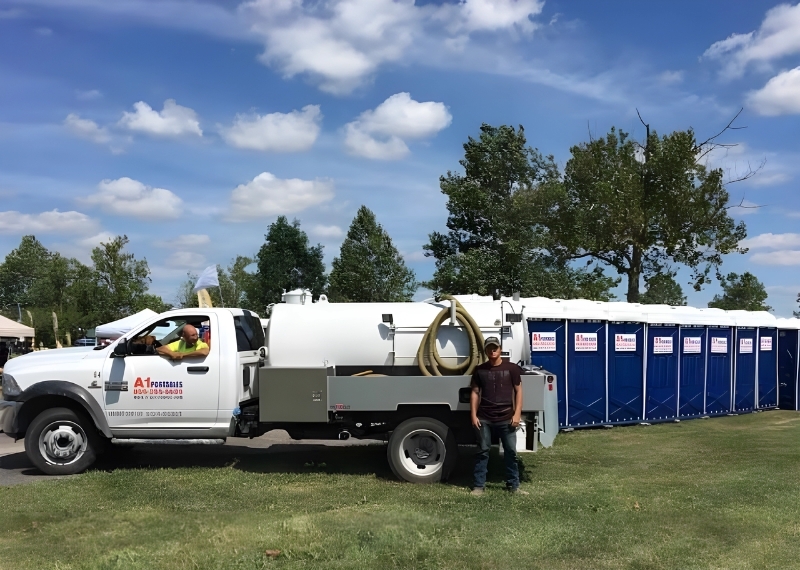
A1 Portables lists portable restrooms, handwashing stations, and restroom trailers among its services. Discuss which equipment is appropriate for the project rather than selecting from a general photograph.
Get the relevant requirements in writing. That record should identify what the provider supplies, what the site must prepare, and which conditions need attention if the weather or project layout changes.
A1 Portables’ portable restroom rental information for Fayette County provides local rental context; ask the provider to confirm the exact equipment and cold-weather arrangements for your site.
Describe the Actual Construction Site
Give the provider more than an address. Explain whether the site is occupied, how construction is phased, where workers are concentrated, and which areas will change during the rental.
Include access gates, traffic routes, delivery schedules, and areas used for storage or equipment. A location that is convenient today may become blocked when the next phase starts.
Tell the provider about workforce changes and overlapping trades. The rental plan should reflect the actual use and applicable requirements, not only the headcount from the first day.
Avoid assuming the sanitation arrangement can remain fixed throughout a long project. Build a review point into the site schedule so placement and servicing can be reconsidered before they become impractical.

Review the Applicable Sanitation Requirements
The site employer needs to understand the requirements that apply to its work and jurisdiction. Renting a unit is not, by itself, proof that every obligation has been met.
OSHA’s construction sanitation standard provides a federal reference for construction facilities and related provisions. The responsible site team should review the applicable rules, interpretations, and any relevant state requirements.
Ask the rental provider for equipment and service information, while keeping responsibility for the site’s compliance review clear.
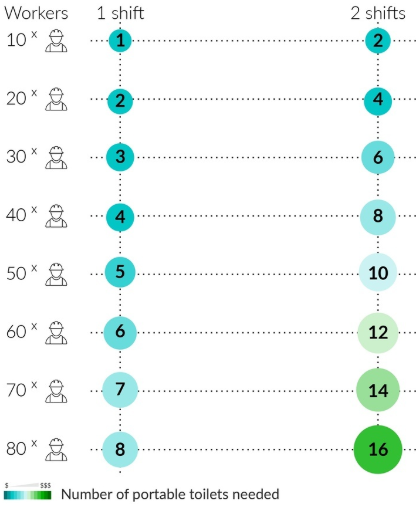
Do not choose quantities or hygiene arrangements solely from an event-rental chart. A construction site has its own working conditions and requirements. The practical plan should connect those requirements with the workforce and equipment actually present.
Select a Stable, Accessible Location
Restroom placement needs a site-specific assessment. Consider the surface, drainage, exposure, pedestrian route, and space needed for the provider’s equipment.
Do not place a unit where runoff is expected to collect or where ordinary site activity will repeatedly obstruct it. Discuss how the position will be maintained as conditions change.
The unit must also remain usable by the intended workers. Think about the route from active work areas and any accessibility requirements relevant to the project.
Ask the provider which placement conditions it needs to review. A flat-looking area in a photograph may still have access, drainage, or stability issues that become apparent during delivery or service.
Keep the Service Route Separate From the Walking Route
Workers may be able to reach a unit on foot while the service vehicle cannot reach the required position. Plan both routes.
Identify gates, turning space, clearance, parked equipment, and storage that could interfere. Confirm who keeps the route open and how the provider should report an access problem.
Do not assume a driver can move through active construction traffic without coordination. Explain site induction, escort, or scheduling arrangements when they apply.
A simple marked plan helps. Show the unit location and the route the provider expects to use, then update it when the site changes. That reduces ambiguity when a different supervisor or driver is involved.
Assign Cold-Weather Responsibilities Clearly
Ask which winter preparation and servicing procedures belong to the provider and which site tasks remain with the customer.
The operator should determine any equipment-specific treatment or maintenance. Do not add household chemicals, automotive products, or improvised mixtures to rental equipment.
The site team may need to manage access, report changing conditions, maintain agreed connections, or arrange approved relocation. Record those responsibilities rather than leaving them to assumption.
Also confirm how weather-related interruptions are communicated. A useful plan states whom to call, what information to provide, and how the next step will be decided. It should not promise that every weather condition can be overcome without affecting service.
Plan Handwashing as Its Own System
A toilet rental and a handwashing arrangement are related but separate planning questions. The presence of one does not automatically settle the other.
Ask what equipment and supplies are appropriate for the work, conditions, and applicable requirements. Discuss water, drainage or waste arrangements, supplies, service frequency, and cold-weather suitability.
Do not assume sanitizer is an automatic substitute for required washing facilities. The responsible site team should verify what applies to the work and exposures involved.
Make sure workers know where the facilities are and how to report a problem. A well-chosen arrangement is less useful if supplies run out unnoticed or the location becomes inaccessible during the project.
The CDC’s handwashing questions and answers provide general hand-hygiene guidance to discuss alongside the wash facilities. Use that guidance together with the sanitation requirements applicable to the site when planning water, soap, and access.
Check Trailer Utilities Before Choosing a Heated Option
A restroom trailer may offer amenities suited to a particular project, but the site must meet the actual unit’s requirements.
Confirm electrical, water, waste, placement, and operating needs directly with the provider. Do not assume a nearby outlet or hose connection is sufficient.
Ask who establishes and checks connections, who monitors them, and what the response should be if service is interrupted. Equipment-specific instructions should govern the plan.
A trailer’s features do not eliminate winter logistics. The access route, surface, pedestrian safety, servicing, and approved operating conditions still need attention. Choose based on the whole installation rather than on the word “heated” alone.
Coordinate Servicing With Real Use
Service frequency should be discussed using the actual equipment, workforce, duration, and conditions. A schedule suitable for one site may not match another.
Explain shift patterns and periods of increased activity. Tell the provider if the unit will serve additional people or if access hours are restricted.
Confirm how a change in use should be reported and how an additional visit is arranged. Do not wait for a problem to become a site interruption before mentioning a substantial workforce change.
Keep a simple service record with the date, reported issues, and agreed follow-up. That helps the site supervisor distinguish a missed visit, an access problem, and a new condition that developed after service.
Treat Snow, Ice, and Mud as Operating Conditions
Winter access is not only about snowfall. Mud, standing water, freeze-thaw changes, and altered traffic routes can all affect the plan.
Assign responsibility for maintaining the approved pedestrian and service areas. Use methods appropriate to the site and equipment rather than piling cleared material against the unit or blocking the truck route.
Report a unit that appears unstable, damaged, or inaccessible. Do not have workers improvise a relocation or repair without the provider’s guidance.
The point is to keep the rental’s conditions visible within ordinary site management. Sanitation equipment should be reviewed alongside other temporary facilities, especially after a material weather event or a change in construction phase.
Agree on Relocation and Pickup Before They Become Urgent
Construction projects move. Ask how a unit can be relocated, how much notice is needed, and which site preparations are required.
Do not move a rental with unapproved equipment or assume its contents and structure can tolerate an improvised lift. The provider should explain the correct arrangement.
Plan pickup as carefully as delivery. A unit can become trapped behind newly installed fencing, stored materials, or a changed access route if removal is not considered early.
Keep the provider informed as the project approaches completion. A clear off-hire and collection process helps establish responsibilities and avoids leaving equipment in a location that no longer suits the work.
Build a Winter Rental Brief for A1 Portables
Prepare the site address, expected duration, workforce, unit preferences, access photographs, connection information, and any applicable site requirements.
Ask A1 Portables to confirm availability and the service area for the specific equipment. The geographic reach of container services should not be assumed to match every sanitation route.
For a porta potty in winter, the useful outcome is a confirmed equipment and service plan with clear customer responsibilities. That is more concrete than a general promise that portable toilets work in cold weather.
Review the brief when the site changes. Ongoing communication lets the rental plan remain connected to the project rather than to the conditions described months earlier.
Frequently Asked Questions
Can a porta potty be used during winter?
Appropriate portable sanitation can be planned for cold-weather use, but the equipment and provider’s procedures must suit the conditions. Discuss the actual unit, location, access, servicing, and hygiene arrangements. Do not assume an existing summer setup can continue unchanged or that every unit includes heat.
Can I add antifreeze to a rental toilet myself?
Do not add improvised chemicals or products to rental equipment. Ask the provider which operator procedures apply to the unit and report concerns through the agreed route. Household or automotive products are not a substitute for equipment-specific maintenance and can create additional problems.
What if snow or mud blocks the service truck?
Report the condition promptly and follow the access responsibilities agreed with the provider. A walking route does not necessarily provide truck access. Keep the approved route clear, coordinate site traffic, and ask how a missed or delayed visit will be handled instead of assuming service can occur anywhere.
Does a restroom trailer need special connections?
Requirements depend on the actual trailer. Confirm electrical, water, waste, placement, and operating needs before delivery. Establish who provides, checks, and maintains the connections. Do not assume a nearby outlet or hose is adequate without the provider confirming the arrangement.
How many toilets does a winter construction site need?
Use the workforce, shifts, equipment, service plan, and applicable requirements to determine the arrangement. Do not rely solely on an event-planning chart or a universal online ratio. The responsible site team should review the rules that apply and coordinate the actual equipment with the rental provider.
Discuss Your Winter Site With A1 Portables
Contact A1 Portables with your Kentucky construction-site details, equipment needs, and access conditions. Ask the team to confirm the relevant service area and requirements so the winter sanitation plan matches the job.