
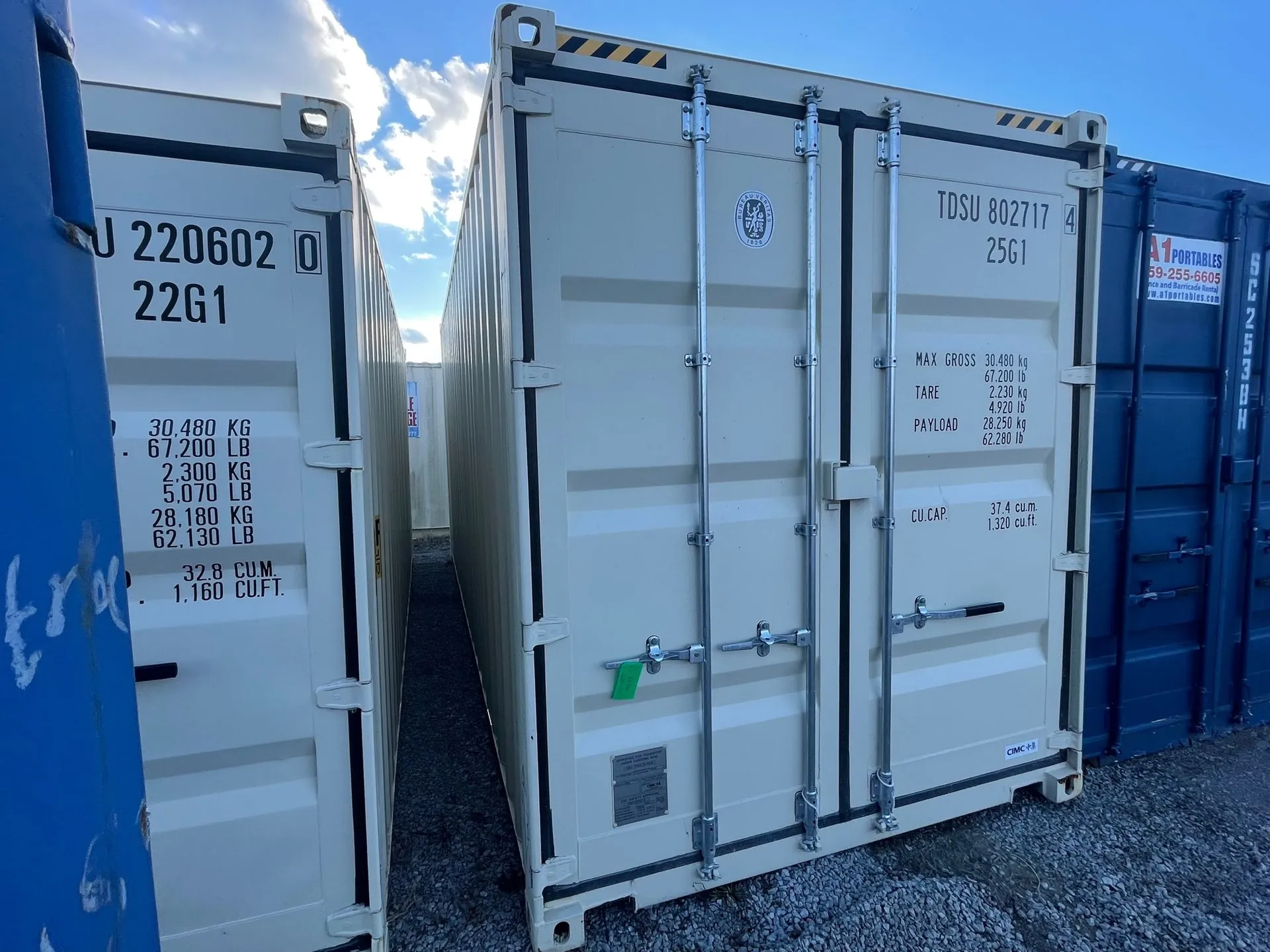
If you’ve ever searched for “storage containers near me” or “shipping containers for sale,” you’ve likely seen similar-looking metal boxes with very different names. So what’s the real difference between storage and shipping containers? While they may look alike, these two container types serve very different purposes, and understanding those differences can help you choose the best option for your project or property.
Whether you’re preparing for a move, need job site storage, or are thinking about buying a container for your business, this guide will walk you through the key differences in design, use, cost, and more.
What Is a Shipping Container?
A shipping container (also called a cargo container or freight container) is a large, standardized metal box designed to transport goods across oceans, railways, and highways. These containers are built to exacting ISO specifications, ensuring they can be stacked, shipped, and handled around the world without issue.
Key Characteristics of Shipping Containers:
- Made of Cor-Ten steel, highly resistant to rust and corrosion
- Fully weatherproof and watertight
- Include secure locking doors
- Come in standardized sizes: 20-foot and 40-foot are the most common
- Designed for heavy-duty transport and stacking
What Is a Storage Container?
A storage container is designed for on-site, static storage, typically used on construction sites, residential properties, or for commercial inventory. While some storage containers are repurposed shipping containers, others are custom-built for ground storage and may not meet ISO transport standards.
Key Characteristics of Storage Containers:
- Often made from repurposed shipping containers or lighter materials like aluminum
- Not intended for frequent transportation
- May include ventilation, shelving, or custom modifications
- Usually found at construction sites, retail businesses, or private homes
5 Key Differences Between Storage and Shipping Containers
1. Purpose and Use Case
- Shipping containers are built for transporting goods globally — think ships, trucks, and trains.
- Storage containers are used to keep belongings secure on one site, like a job location or backyard.
2. Construction and Durability
- Shipping containers must meet international shipping regulations and withstand harsh marine environments.
- Storage containers are built for stationary use, often lacking the same rugged standards.
3. Weather Resistance
- Shipping containers are airtight and watertight, offering maximum protection.
- Storage containers may be weather-resistant but not completely sealed unless retrofitted.
4. Cost
- Shipping containers cost more due to their heavy-duty build and global compliance.
- Storage containers are more affordable, especially when custom-built for storage-only use.
5. Lifespan and Mobility
- Shipping containers are built to last 20+ years and endure heavy movement.
- Storage containers are long-lasting too but may wear faster if moved often.
Can You Use a Shipping Container as a Storage Container?
Yes — and many people do! In fact, many storage containers are retired shipping containers. These offer excellent durability and security, making them ideal for long-term storage.
However, it’s important to note:
- Not all storage containers are ISO-certified shipping containers.
- If you only need stationary use, a purpose-built storage container might offer cost savings and custom features (like shelving or insulation).
Why It Matters for Your Project or Property
When choosing between the two, consider the following:
- Need something mobile for transport? → Go with a shipping container.
- Need something stationary for long-term on-site storage? → Opt for a storage container.
Making the wrong choice can lead to unnecessary costs or limited usability. For example, if you buy a shipping container just to hold garden tools, you may overpay. On the flip side, trying to ship goods overseas in a non-ISO storage container could cause serious problems with freight providers.

Popular Uses for Storage and Shipping Containers
Common Uses for Storage Containers:
- Tool and equipment storage on construction sites
- Temporary retail storage during remodeling
- Homeowner storage for landscaping tools or furniture
- Office conversion on job sites
Common Uses for Shipping Containers:
- Transporting goods internationally or cross-country
- Modular container homes
- Portable pop-up shops or restaurants
- Off-grid shelters or bunkers
SEO Tips: Why People Search “Storage Containers Near Me” vs. “Shipping Containers for Sale”
From an SEO standpoint, it helps to know how users search:
- Users looking for “storage containers near me” are often seeking local, short-term or affordable on-site storage.
- Users searching “shipping containers for sale” or “buy shipping container” are usually interested in permanent, versatile structures with long-term durability.
If you offer both, make sure your website or service pages clarify the differences — and optimize for both search intents.
Need Help Choosing Between Storage and Shipping Containers?
Our team specializes in container rentals and sales for every use case. Whether you need mobile transport options or a secure on-site storage solution, we’ll help you find the perfect fit.
Contact us today to speak with an expert or get a free quote.
✅ Browse available storage containers
✅ Explore shipping container sizes
✅ Learn about custom container modifications
